Practical Tips to Build Trauma-Sensitive Learning Environments
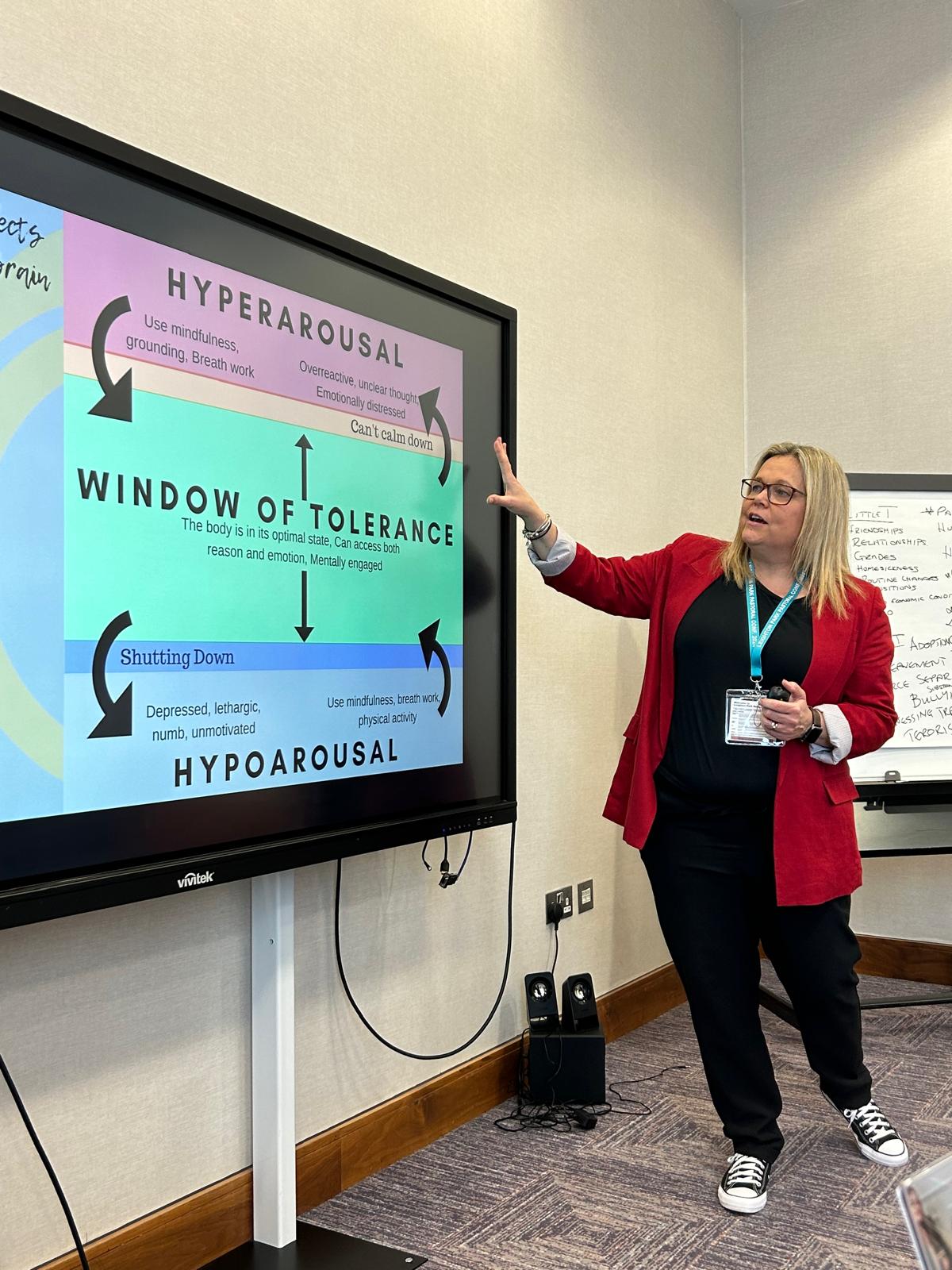
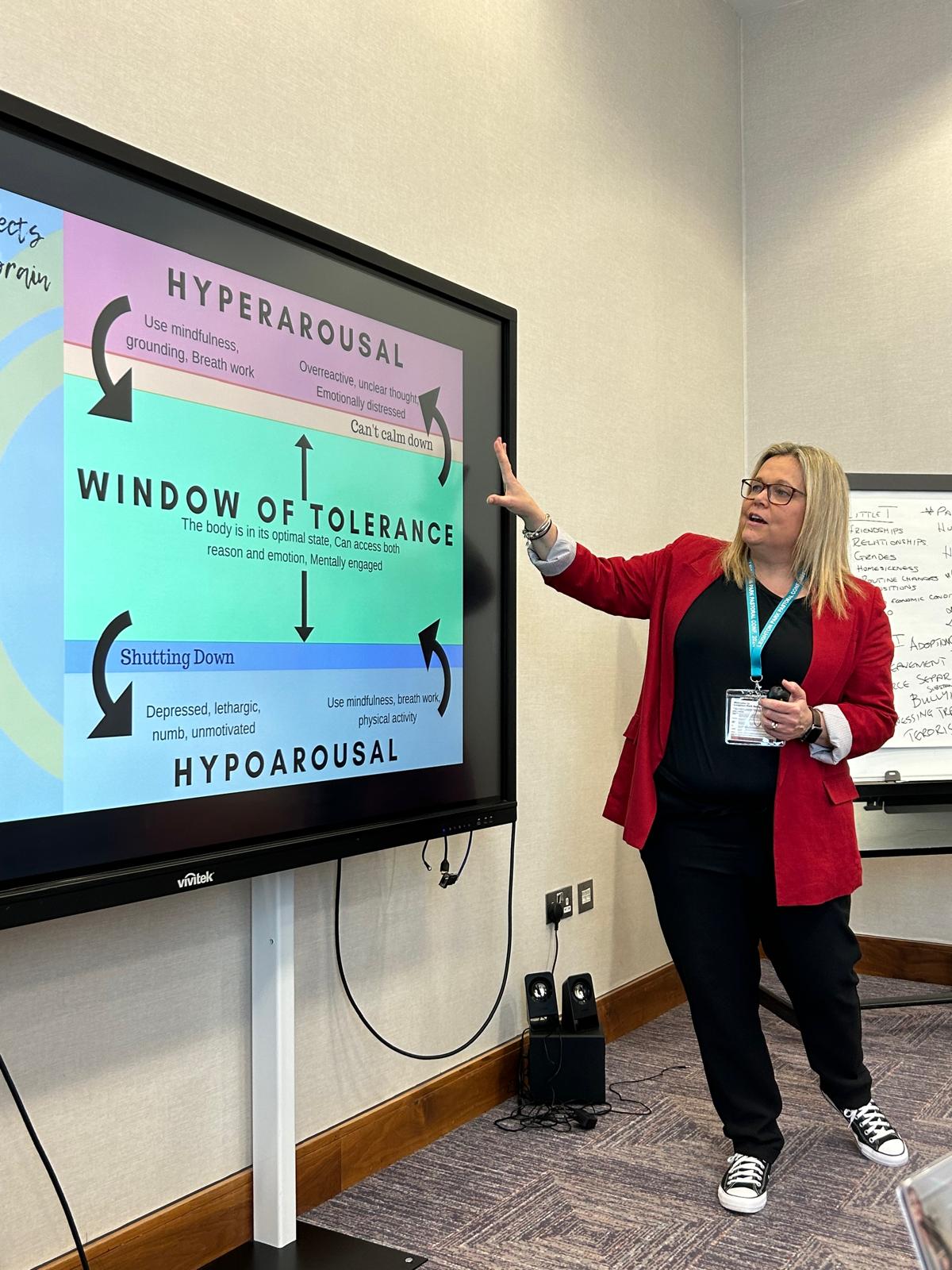
Forget everything you think you know about behaviour management strategies. Traditional approaches often miss the mark when it comes to trauma sensitive classrooms. Your students need more than rules, they need predictable routines, relational safety, and tools for co-regulation. In this post, you’ll find practical tips to build trauma-informed teaching environments that reduce dysregulation and create calm, ready-to-learn spaces. Check out more insights on trauma sensitive classrooms here.
Building a Trauma-Sensitive Classroom
Creating a trauma-sensitive classroom is more than just changing rules, it’s about changing mindsets. You’re about to explore how to support students who have faced adversity. Let’s uncover these transformative strategies together.
Understanding Trauma-Informed Teaching
Trauma informed teaching starts with understanding the impact of trauma on learning. Students with past trauma might struggle with trust and focus. Your role is to create a safe haven in your classroom.
-
Knowledge is Power: Knowing about trauma helps you see behavior as a form of communication. This perspective shifts how you respond to disruptions.
-
Research Insight: Studies show that trauma-informed methods can reduce behavioral issues by 43%. This evidence supports the need for thoughtful implementation.
To delve deeper into these strategies, check this comprehensive guide on trauma-informed practices.
Creating Relational Safety
Relational safety is the foundation of a supportive classroom. When students feel connected, they thrive. Building these bonds is key.
-
Trust is Essential: Begin by establishing trust. Use consistent and caring communication. Daily check-ins can make a big difference.
-
Connection Insights: Recognize small victories and positive interactions. This reinforces a sense of belonging.
Most people think that strict discipline is effective, but creating relational safety might just be more impactful. Dive into more tips on fostering a safe environment here.
Implementing Classroom Routines
Clear routines provide the predictability that students with trauma need. They help in reducing anxiety and fostering a calm atmosphere.
-
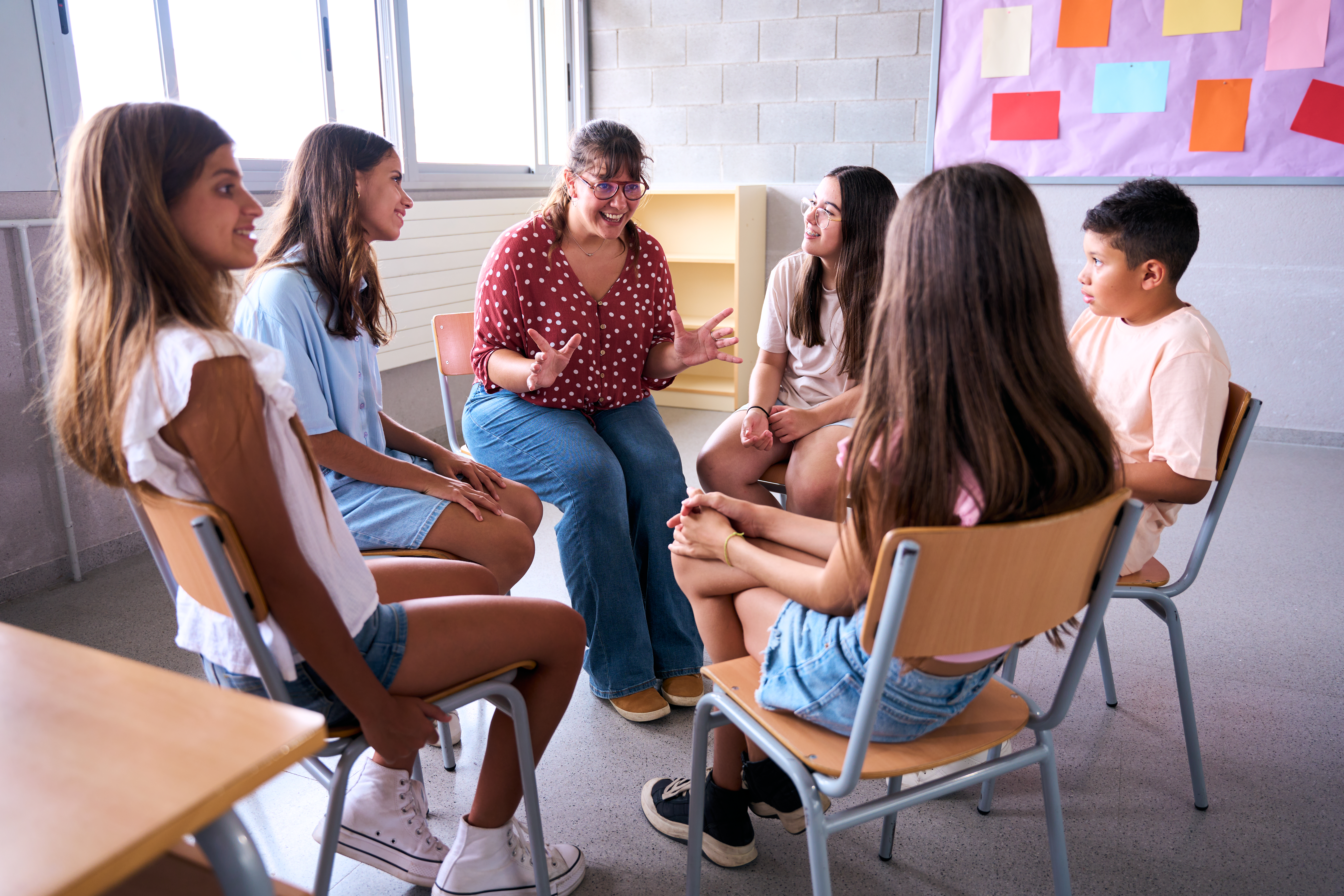
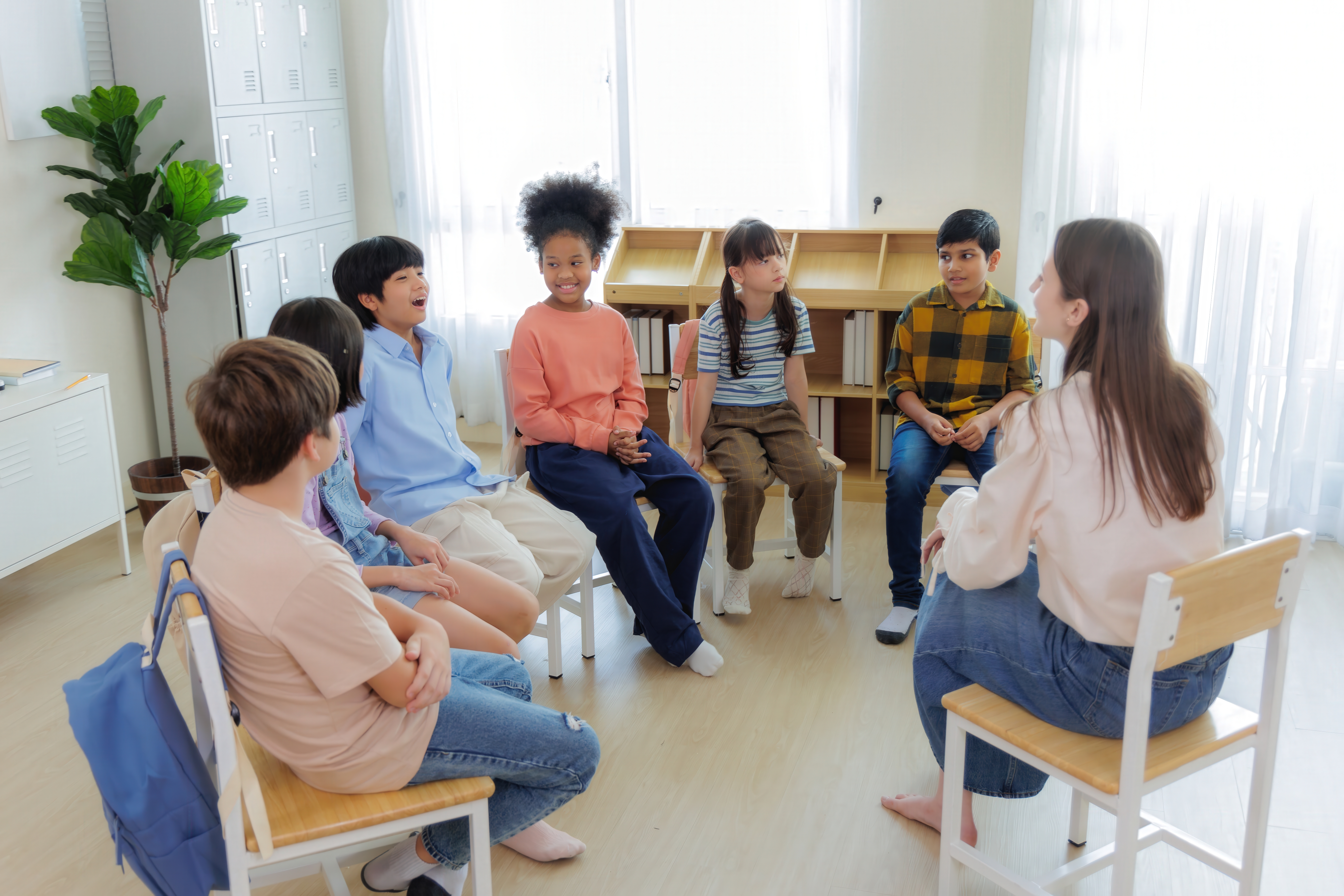
Routine Steps: Start with morning circles where students share and set positive intentions. This practice supports emotional regulation.
-
Predictability Matters: Consistent schedules minimize stress. Always inform students of any changes in advance.
By introducing structured routines, you’re not just managing behavior; you’re nurturing growth and stability. Explore more on establishing routines in trauma sensitive classrooms here.
Effective Classroom Management Strategies
Now that you have a trauma-sensitive foundation, let’s focus on managing behaviors effectively. These strategies emphasize collaboration and understanding.
Co-Regulation and Self-Regulation Techniques
Co-regulation is your partner in easing student anxiety. These approaches help students learn to manage their emotions with guidance.
-
Step-by-Step Support: Model calm behavior during stressful moments. Use phrases like “Let’s take a deep breath together.”
-
Self-Regulation Tools: Introduce tools like stress balls and quiet zones. These give students control over their reactions.
Here’s the key insight: Helping students learn how to self-regulate empowers them beyond the classroom. More on this can be found in this resource.
Practical De-Escalation Techniques
De-escalation techniques are crucial in handling crises calmly. They prevent situations from spiraling out of control.
-
Calm Voice: Speak softly and slowly. This can lower tension instantly.
-
Body Language: Maintain open and non-threatening postures. Your demeanor can influence the student’s state.
Many believe that raising your voice is necessary for control, but staying calm actually encourages cooperation. For more de-escalation tactics, see this article.
Attachment-Aware Practices in Action
Understanding attachment theory helps in nurturing secure relationships. This approach is about meeting emotional needs.
-
Consistent Presence: Show students you’re reliable. Greet them warmly every day.
-
Emotional Availability: Listen actively when they express feelings. This builds trust.
Attachment-aware practices shift classroom dynamics significantly. Learn more about implementing these methods here.
Empowering Educators with CPD
Professional development (CPD) can transform your teaching approach. It equips you with the tools to implement these strategies effectively.
Benefits of Behaviour Bites Training
Behaviour Bites provides essential training for educators wanting to embrace trauma-informed methods. This training is designed to be practical and impactful.
-
Immediate Application: The strategies you learn can be used right away. Real-world examples make learning relatable.
-
Community Support: Join a network of educators who share similar goals and challenges.
With Behaviour Bites, you’re not just attending another workshop; you’re joining a movement. Discover more about their programs here.
Customizing Your Professional Development
Tailor your CPD journey to meet your unique needs. Customization ensures you get the most out of your learning experience.
-
Flexible Options: Choose from workshops, webinars, or in-person events.
-
Personal Growth: Focus on areas that matter most to you, whether it’s classroom management or leadership skills.
Invest in your development and see the positive ripple effect it has on your students and school community. Find out more about tailoring your training here.
Masterclasses and Workshops Overview
Behaviour Bites offers a range of masterclasses and workshops that bring these concepts to life. They provide hands-on experiences that are both informative and inspiring.
-
Interactive Sessions: Engage with experts and peers in dynamic discussions.
-
Practical Takeaways: Leave with clear, actionable insights that you can implement right away.
The longer you wait to explore these opportunities, the longer it takes to see change. Start today by learning more here.
By integrating these strategies and resources, you can create a supportive and stable learning environment. Begin implementing these techniques today to foster a more resilient and understanding classroom.
Leave a Reply
You must be logged in to post a comment.